

Shaving Brush Market Analysis: The Impact of Inflation on Consumer Purchases
Shaving Brush Market Analysis: The Impact of Inflation on Consumer Purchases
The global shaving brush market, a niche yet resilient segment within the personal care industry, has long balanced tradition and innovation—from classic badger hair brushes to modern synthetic alternatives. However, recent years of persistent inflation have introduced new dynamics, reshaping consumer purchasing patterns and challenging manufacturers to adapt. This analysis explores how inflationary pressures are influencing consumer behavior, market trends, and the strategies shaving brush producers must adopt to stay competitive.
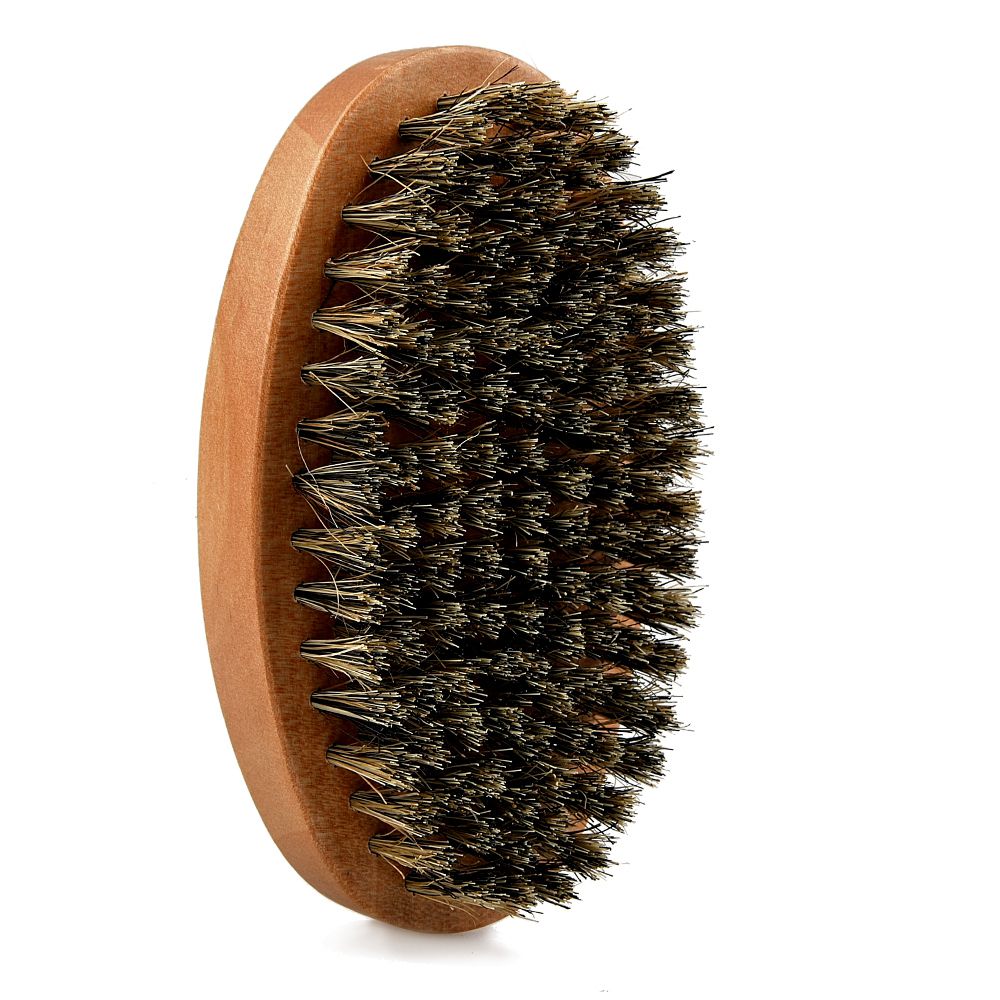
The Shaving Brush Market: A Snapshot
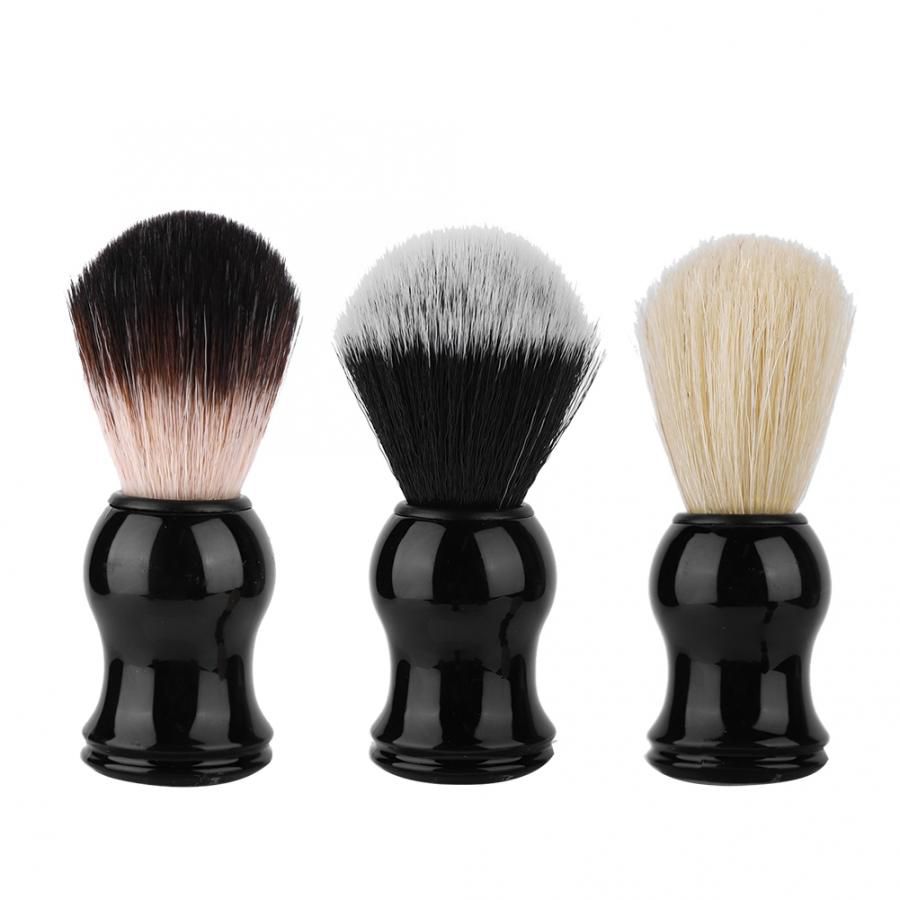
Shaving brushes, valued for their ability to create a rich lather and reduce skin irritation, cater to a diverse consumer base: traditional wet shavers, luxury grooming enthusiasts, and eco-conscious buyers seeking sustainable alternatives to disposable razors. Pre-inflation, the market saw steady growth, driven by rising interest in artisanal grooming rituals and premiumization trends. High-end brands, often using rare materials like badger or boar hair, dominated the upper tier, while mid-range and budget options (synthetic bristles, plastic handles) captured mass-market demand.
Inflation: A Disruptive Force
Since 2022, global inflation—fueled by supply chain disruptions, energy cost spikes, and raw material shortages—has eroded consumer purchasing power. For shaving brushes, this has translated into two critical challenges: higher production costs and shifting consumer priorities.
Production Costs Under Pressure
Key inputs for shaving brushes—natural bristles (e.g., badger, boar), synthetic fibers (nylon, polyester), and handle materials (wood, resin, metal)—have seen price hikes of 15-30% in some regions. Transportation and labor costs have also risen, forcing manufacturers to either absorb margins or pass increases to consumers. A 2023 industry survey noted that 62% of shaving brush producers raised retail prices by 8-12% to offset costs, with premium brands hit hardest due to their reliance on expensive natural materials.
Consumer Behavior Shifts
Inflation has made consumers more price-sensitive, with purchasing decisions increasingly driven by value over brand loyalty or luxury appeal. Three trends stand out:
1. Downward Trading: Middle-income consumers, once willing to splurge on $50+ premium brushes, are now opting for mid-range ($20-30) or budget ($10-15) options. Synthetic bristle brushes, which offer durability at lower prices, have seen a 22% sales surge year-over-year, per market data.
2. Reduced Purchase Frequency: Instead of replacing brushes annually, consumers are extending product lifespans—investing in brush care kits (e.g., cleaning solutions, drying stands) to maintain longevity. Sales of accessory kits have risen 18%, as users prioritize "making do" with existing tools.
3. Focus on Multi-Use and Durability: Consumers are favoring brushes with versatile designs (e.g., detachable handles, universal bristle heads) and materials known for longevity (e.g., high-grade synthetic fibers, corrosion-resistant metals). Brands marketing "lifetime warranty" or "5-year durability" claims have outperformed peers by 15% in market share.
Market Trends: Adaptation and Opportunity
Despite headwinds, the shaving brush market is adapting, with emerging trends offering growth avenues:
- Economy Segment Growth: Budget-friendly brands are gaining traction by emphasizing affordability without sacrificing quality. For example, synthetic brushes with "badger-like" softness (achieved via advanced fiber technology) are bridging the gap between price and performance, appealing to cost-conscious consumers.
- Sustainability as a Differentiator: Eco-friendly options—brushes with bamboo handles, biodegradable bristles, or refillable heads—are resonating with consumers who view sustainability as a long-term value play. Though slightly pricier, these products attract a niche but loyal demographic willing to pay 10-15% more for eco-credentials, offsetting inflationary pressures.
- Direct-to-Consumer (DTC) Models: Brands cutting out middlemen (e.g., selling via e-commerce platforms or own websites) are able to offer lower prices while maintaining margins. DTC sales now account for 35% of the market, up from 20% pre-inflation, as consumers seek transparency and better deals.
Strategies for Manufacturers
To thrive in this inflationary environment, shaving brush producers should focus on three pillars:
1. Cost Optimization: Invest in supply chain efficiency—source raw materials locally, negotiate bulk deals with suppliers, or switch to cost-effective synthetic alternatives without compromising quality.
2. Product Diversification: Expand mid-range offerings with a mix of price points, and highlight durability and multi-use features in marketing to justify value.
3. Consumer Education: Emphasize the long-term savings of investing in a quality brush (e.g., "A $30 brush lasts 3 years vs. $10 disposables yearly") to counter price sensitivity.
Conclusion
Inflation has undeniably strained the shaving brush market, pushing consumers toward value and practicality. Yet, by adapting to shifting demands—prioritizing affordability, durability, and sustainability—manufacturers can turn challenges into opportunities. As the market evolves, the brands that balance cost efficiency with consumer-centric innovation will not only survive but thrive in the post-inflation landscape.


